Why Energy Translation Requires Technical Specialists
Energy sector translation demands translators who understand not just languages but engineering principles, safety-critical terminology, and regulatory frameworks. A mistranslated HSE procedure, an unclear emergency response protocol, or an ambiguous technical specification can have serious consequences, from operational incidents to regulatory non-compliance and project delays.
The energy industry operates at the intersection of complex engineering, stringent safety requirements, and international collaboration. Oil and gas projects span multiple countries and regulatory jurisdictions. Renewable energy developments require documentation that satisfies planning authorities, grid operators, and environmental regulators. Nuclear projects demand the highest standards of precision and traceability in translated documentation.
Our energy translators include petroleum engineers, electrical engineers, and environmental scientists who have worked in the energy sector. They understand HSE management systems, offshore operations, drilling terminology, and power generation processes. This technical foundation ensures translations are not just linguistically accurate but operationally sound.
The UK Energy Translation Landscape
The UK energy sector is undergoing significant transformation, with investment in offshore wind, hydrogen, carbon capture, and grid infrastructure alongside continued North Sea operations. This creates diverse translation requirements spanning traditional oil and gas documentation, emerging renewable technologies, and regulatory frameworks for the energy transition.
Key energy translation requirements in the UK include:
- North Sea operations, Safety-critical documentation for offshore platforms, drilling operations, and decommissioning projects. HSE documentation must comply with Health and Safety Executive requirements and international standards
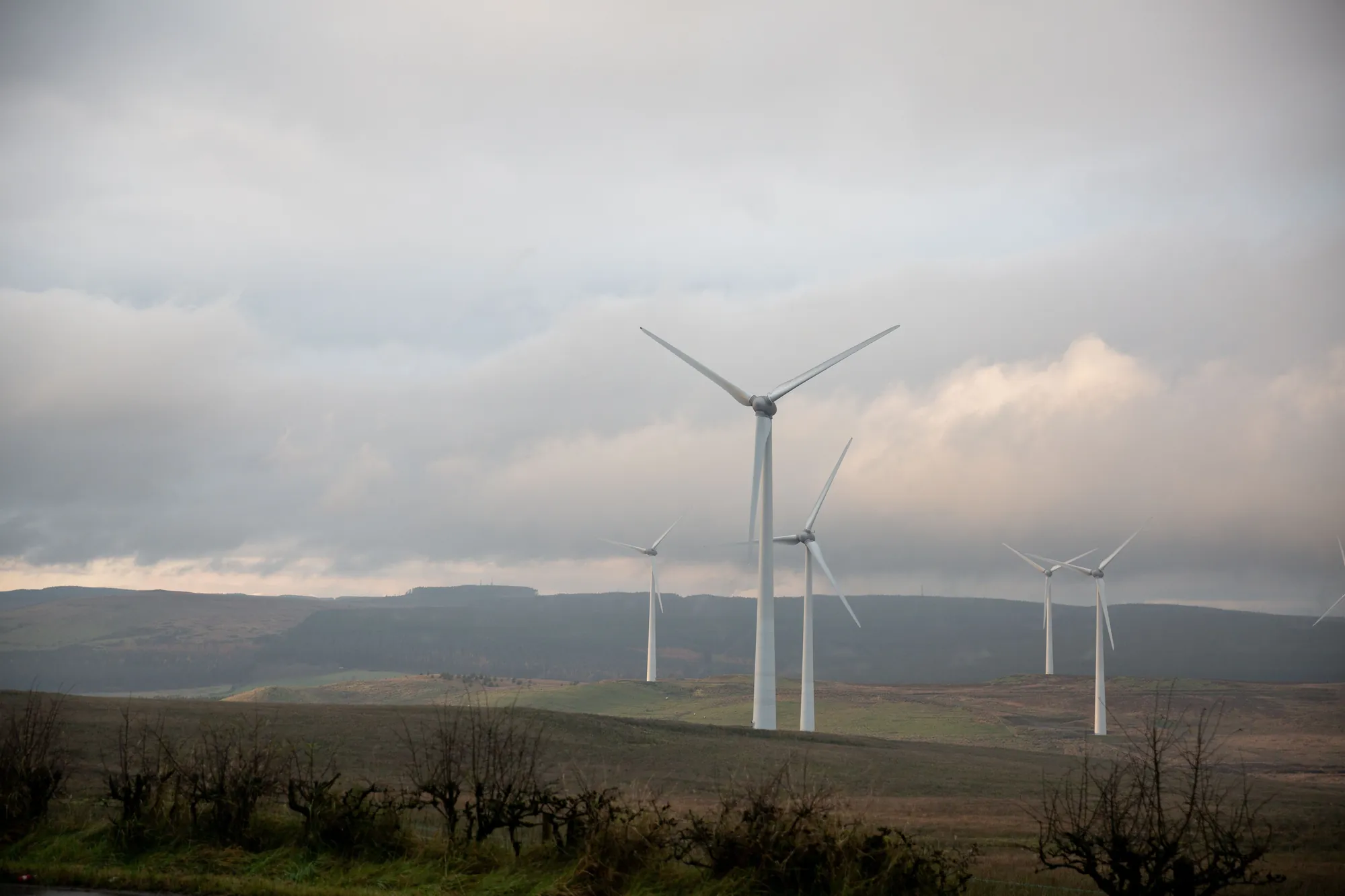
- Offshore wind, The UK leads in offshore wind development, requiring translation of turbine documentation, offshore installation procedures, grid connection applications, and environmental impact assessments
- International projects, UK energy companies operate globally, requiring translation for projects in the Middle East, Africa, Southeast Asia, and Latin America. Local regulatory submissions, partnership agreements, and operational documentation need accurate translation
- Energy transition, Hydrogen projects, carbon capture and storage (CCS), and battery storage developments require translation of emerging technical terminology and regulatory documentation for novel technologies
HSE Documentation and Safety-Critical Translation
Health, safety, and environmental documentation in the energy sector carries particular responsibility. These materials directly impact worker safety and environmental protection. Translation errors in safety procedures, permit-to-work systems, or emergency response plans can have serious consequences.
Our approach to HSE translation includes:
- Safety-critical terminology, We maintain validated glossaries for HSE terminology across languages, ensuring consistent translation of terms like "isolation", "lockout/tagout", "confined space entry", and "hot work permit"
- Regulatory compliance, HSE documentation must satisfy local regulatory requirements. We understand HSE regulations in major energy markets including the UK (HSE), Norway (Petroleum Safety Authority), and international frameworks (ILO, IMO)
- Multi-language workforce communication, Energy projects often employ multinational workforces. We translate toolbox talks, safety briefings, and incident reports into the languages spoken by on-site personnel
- Emergency procedures, Emergency response plans, evacuation procedures, and crisis communication materials require absolute clarity. We provide back-translation for critical safety documents to verify accuracy
For major energy projects, we offer terminology alignment workshops with client HSE teams to ensure our translations match established safety terminology and procedures.