Why Automotive Translation Requires Industry Specialists
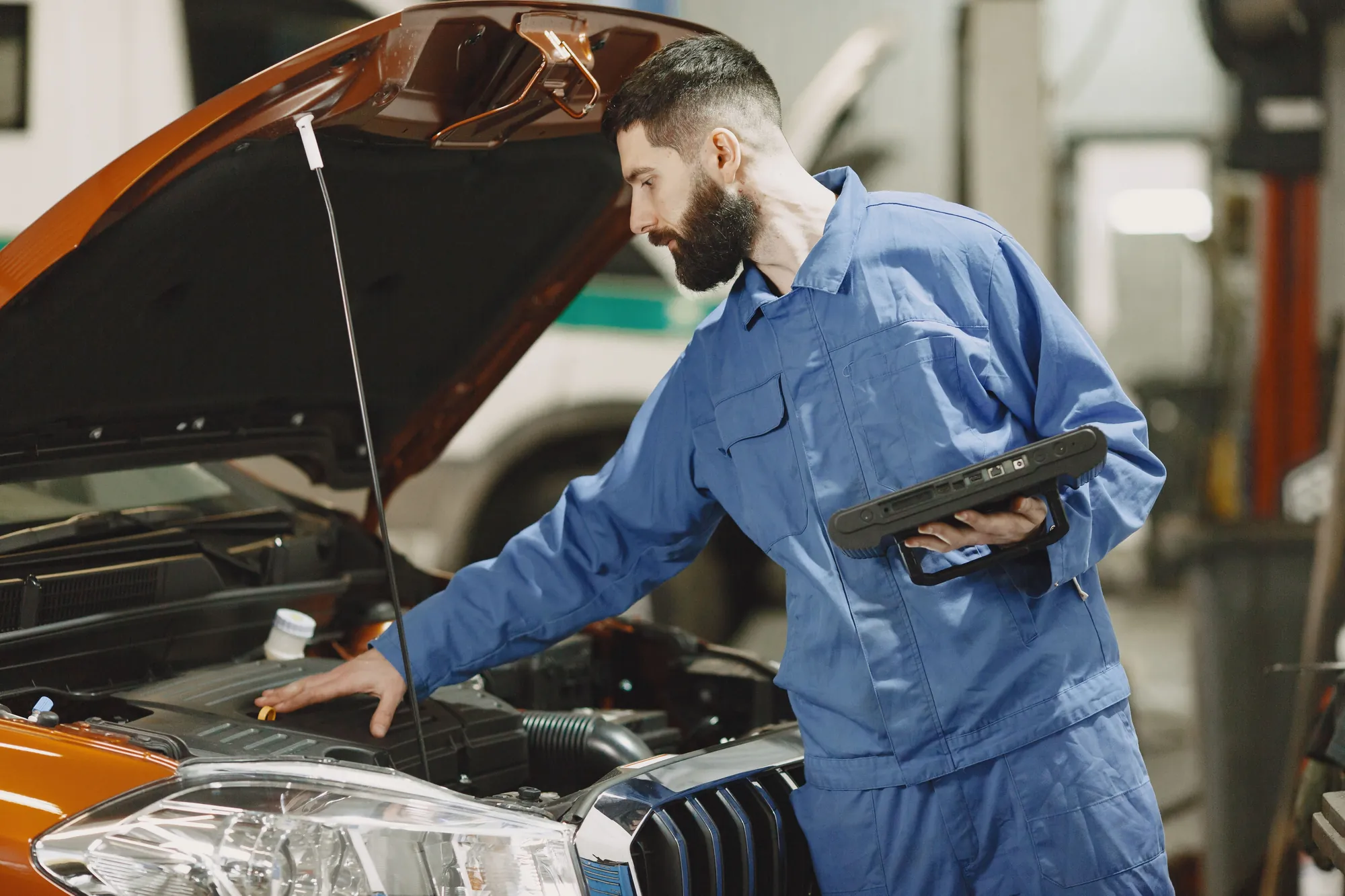
Automotive translation demands translators who understand vehicle systems, manufacturing processes, and the specific requirements of automotive documentation. The industry has developed extensive standardised terminology, from powertrain components to ADAS (Advanced Driver Assistance Systems) features, that requires specialist knowledge to translate accurately.
The consequences of errors in automotive translation extend beyond confusion to potential safety issues and regulatory non-compliance. A mistranslated service procedure could lead to improper repairs. An unclear warning in an owner's manual could put vehicle occupants at risk. Incorrect homologation documentation could delay market entry or trigger recalls.
Our automotive translators combine linguistic expertise with industry experience. Many have worked in automotive OEMs, suppliers, or dealerships. They understand the difference between a strut and a shock absorber, know that "check engine" means different things in different markets, and recognise that infotainment system terminology requires particular care as technology evolves faster than standardised vocabulary.
The UK Automotive Translation Landscape
The UK automotive sector encompasses major OEMs (Jaguar Land Rover, MINI, Vauxhall, Nissan), a substantial supplier base, specialist and performance vehicle manufacturers, and a large aftermarket industry. Each segment has distinct translation requirements driven by their market reach and documentation needs.
Key automotive translation requirements in the UK include:
- OEM documentation, Owner's manuals, service documentation, and parts catalogues for vehicles sold across European and global markets. Documentation must satisfy type approval requirements in each jurisdiction whilst maintaining brand voice consistency
- Supply chain documentation, Tier 1 and Tier 2 suppliers need PPAP (Production Part Approval Process) documentation, work instructions, and quality procedures translated for global OEM customers. IATF 16949 compliance requires controlled documentation
- Electrification and ADAS, Electric vehicles and advanced driver assistance systems require translation of new terminology that may not have established equivalents in target languages. Battery systems, charging infrastructure, and autonomous driving features need careful handling
- Aftermarket and motorsport, Performance parts, tuning equipment, and motorsport technical regulations require translation that resonates with enthusiast audiences whilst maintaining technical precision
Type Approval and Homologation Translation
Vehicles cannot be sold in international markets without proper type approval, and accurate translation of homologation documentation is essential for regulatory compliance. Type approval requirements vary by market, and documentation must satisfy local authorities who may not accept translations that don't meet their specific requirements.
Our automotive homologation translation covers:
- UNECE regulations, The UK and EU use UNECE (United Nations Economic Commission for Europe) regulations for type approval. We translate technical documentation, test reports, and declarations of conformity according to established terminology standards
- Market-specific requirements, Different markets have additional requirements. The US (EPA/NHTSA), China (MIIT/MEE), Japan (MLIT), and other jurisdictions require translated documentation that satisfies their specific regulatory frameworks
- Certificate of Conformity, The CoC (Certificate of Conformity) document accompanies every vehicle and must be accurately translated for each market where the vehicle is sold
- Technical service communications, Recall notices, technical service bulletins, and safety-related communications must be translated rapidly and accurately for distribution to dealers and, where required, vehicle owners
We maintain terminology databases aligned with automotive industry standards and regulatory frameworks, ensuring consistency across all homologation documentation.