In Japan, the exchange of business cards, known as meishi koukan, is far more than a simple swap of contact details. It is a carefully choreographed ritual that reflects the country's deep cultural values of respect, hierarchy, and attention to detail.
The Two-Hand Rule
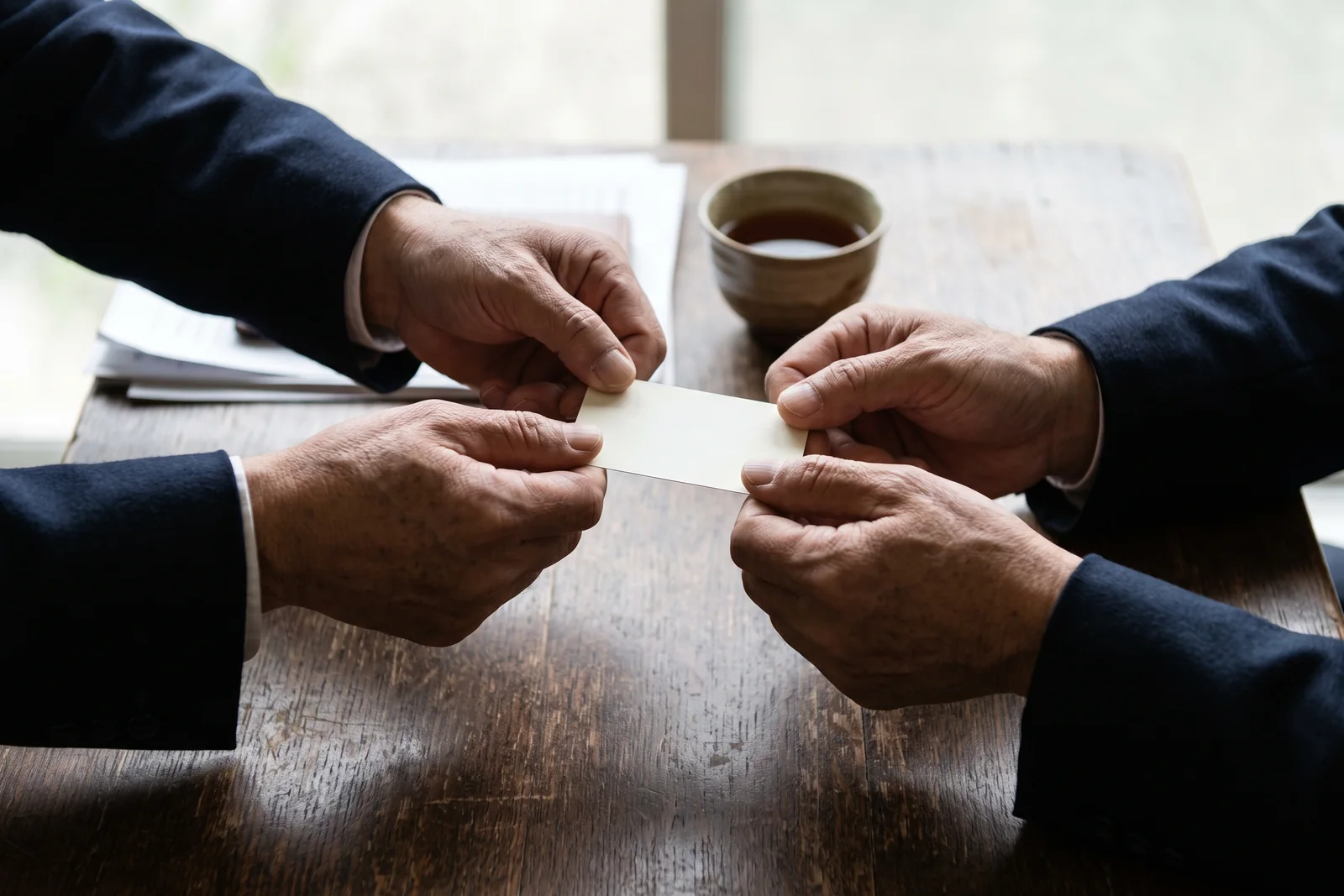
When presenting your business card in Japan, you must hold it with both hands, fingers at the corners, with the text facing the recipient so they can read it immediately. Handing over a card with one hand is considered disrespectful, it suggests you do not value the exchange or the person receiving it.
Why Does This Matter for Translation?
This small example illustrates a critical point: language translation is only half the battle. True localisation requires understanding the cultural context in which words and actions carry meaning.
When we translate marketing materials, legal documents, or business communications for Japanese audiences, we do not just convert words. We adapt tone, formality levels, and even visual layouts to align with Japanese expectations.
Key Takeaways
- Always present business cards with both hands in Japan
- Receive cards with both hands and study them briefly, never pocket them immediately
- Never write on someone's business card in front of them
- Cultural awareness is essential for effective business translation
Need help navigating Japanese business culture? Our team includes native Japanese translators who understand these nuances intimately.