

UKVI Translation Requirements
When applying for a UK visa, settlement, or citizenship, any documents not in English or Welsh must be accompanied by a certified translation. Getting this wrong can delay or even cause rejection of your application.
Quick Answer
UKVI requires translations to include: the translator's credentials, confirmation of accuracy, the translator's contact details, and the date of translation. Notarisation is NOT required.
What UKVI Accepts vs Rejects
Ensure your translation meets Home Office standards
Accepted
UKVI-Compliant Translation
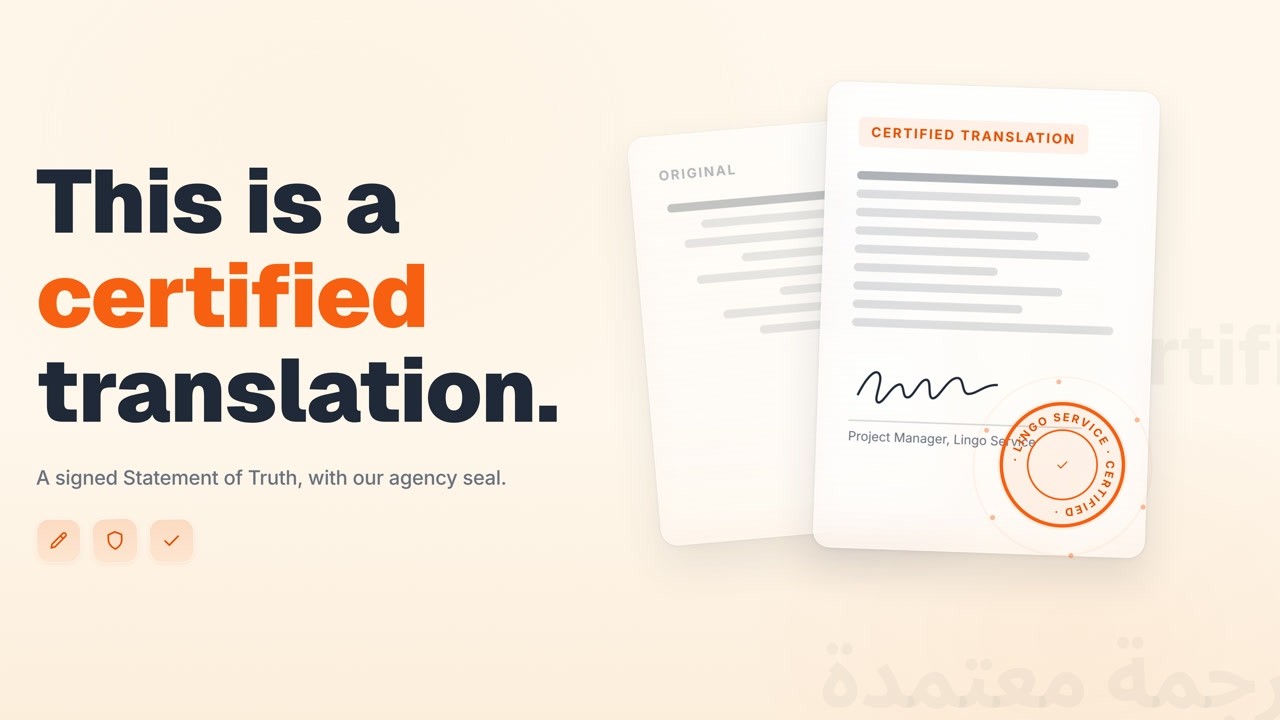
A professional translation that meets all Home Office requirements. This is what we provide with every certified translation.
Starting from
£35/document
- Translator's name and credentials
- Signed statement of accuracy
- Translator's contact details
- Date of translation
- Professional formatting
- Original document layout preserved
Best for:
All UKVI applications including visitor visas, work visas, spouse visas, settlement (ILR), citizenship, and asylum claims.
May Be Rejected
Common Mistakes
Translations that lack proper certification or professional standards risk rejection, causing delays and additional costs.
Starting from
Varies
- No translator credentials
- Missing accuracy statement
- No contact details
- Amateur or DIY translation
- Friend or family translation
- Machine translation only
Best for:
These translations are NOT suitable for UKVI applications and will likely be rejected.
When to Choose Each Option
Visitor Visas
Bank statements, employment letters, property documents, and sponsor documents in foreign languages.
Work Visas (Skilled Worker)
Qualifications, employment history, professional certificates, and reference letters.
Spouse/Partner Visas
Marriage certificates, divorce decrees, birth certificates, relationship evidence, and financial documents.
Settlement (ILR)
All supporting documents not in English or Welsh for indefinite leave to remain applications.
British Citizenship
Birth certificates, naturalisation documents, and any foreign language evidence.
Asylum Claims
Identity documents, evidence of persecution, country of origin documents.
Key Things to Know
Notarisation NOT Required
Despite common belief, UKVI does not require notarised translations. Certified translation is sufficient.
Original + Translation
Submit both the original document AND the translation. Do not submit translation alone.
Translator Independence
The translator should not be related to you or have any personal interest in your application.
Format Matters
The translation should mirror the original document's layout as closely as possible.
No Expiry Date
Certified translations don't expire. However, some source documents (like bank statements) may need to be recent.
Any Language Accepted
UKVI accepts translations from any language into English. We translate 200+ languages.
Official UKVI Requirements
According to UK Visas and Immigration guidance, translations must include:
- Confirmation from the translator that it's an accurate translation of the original document
- The date of the translation
- The translator's full name and signature
- The translator's contact details
The guidance explicitly states that translations do not need to be notarised or certified by a solicitor.
Common Documents Requiring Translation
The most frequently translated documents for UKVI applications include:
- Identity documents: Birth certificates, passports, national ID cards
- Relationship evidence: Marriage certificates, divorce decrees
- Financial documents: Bank statements, tax returns, payslips
- Employment documents: Employment letters, contracts, reference letters
- Educational documents: Degrees, diplomas, transcripts
- Legal documents: Court orders, police certificates
How to Avoid Rejection
To ensure your translation is accepted:
- Use a professional service - Not a friend, family member, or free online tool
- Check certification is included - The signed statement of accuracy is essential
- Verify translator details are present - Name, credentials, and contact information
- Submit originals too - Always include the source documents
- Ensure completeness - Every part of the document must be translated, including stamps and seals
Frequently Asked Questions
Common questions about this topic
UKVI strongly advises against self-translation. While not explicitly prohibited, translations by the applicant or their family members may be viewed with suspicion and could be rejected. Using an independent professional translator is always recommended.
No. UKVI explicitly states that notarisation is not required. A properly certified translation from a professional translator is sufficient for all UK visa and immigration applications.
Certified translations themselves do not expire. However, the underlying documents may need to be recent (e.g., bank statements typically within 28 days, employment letters within 3 months). The translation date should be close to your application date.
Only the non-English portions need translation. The translator should note which sections were translated and confirm the remaining text was already in English.
Yes, UKVI requires original documents along with the translations. For valuable documents like birth certificates, they will be returned after processing. We can also certify copies if needed.
UKVI accepts translations from any language into English. There is no restriction on source languages. We provide certified translations from over 200 languages.
Have more questions? Get in touch with our team
Need UKVI-Compliant Translations?
We provide certified translations accepted by UKVI and the Home Office. Fast turnaround, competitive prices, and guaranteed acceptance.
Lingo Pro
Online now