Why You Need Birth Certificate Translation in the UK
Birth certificate translation is one of the most common document translation requirements in the UK. Whether you're applying for a visa, seeking British citizenship, or enrolling your child in school, UK authorities require certified English translations of foreign birth certificates.
Common UK use cases for birth certificate translation:
- UK visa applications, UKVI requires certified birth certificate translation for spouse visas, family visas, settlement applications, and most immigration routes. Your birth certificate proves your identity, age, and family relationships
- British citizenship and naturalisation, When applying for British citizenship, the Home Office requires translated birth certificates to verify your identity and establish your eligibility
- British passport applications, If you were born abroad to British parents or have acquired British citizenship, HM Passport Office requires your translated foreign birth certificate
- School and university enrolment, UK schools and universities require proof of age and identity. Foreign birth certificates must be translated for admissions
- Marriage in the UK, Registry offices require birth certificate translation when foreign nationals marry in England, Wales, Scotland, or Northern Ireland
- Employment right-to-work checks, Some employers request birth certificate translation as part of identity verification for foreign nationals
Without a properly certified translation, your application may be delayed or rejected. Our translations meet all UK official requirements.
Birth Certificate Translation Requirements for UK Authorities
UK authorities have specific requirements for birth certificate translations. The Home Office, UKVI, and other official bodies only accept translations that meet their certification standards.
What makes a valid certified translation:
- Complete translation, Every element must be translated including the child's name, parents' names, date and place of birth, registration details, and any marginal notes or amendments
- Stamps and seals, Official stamps, registry seals, and authentication marks must be described and their text translated
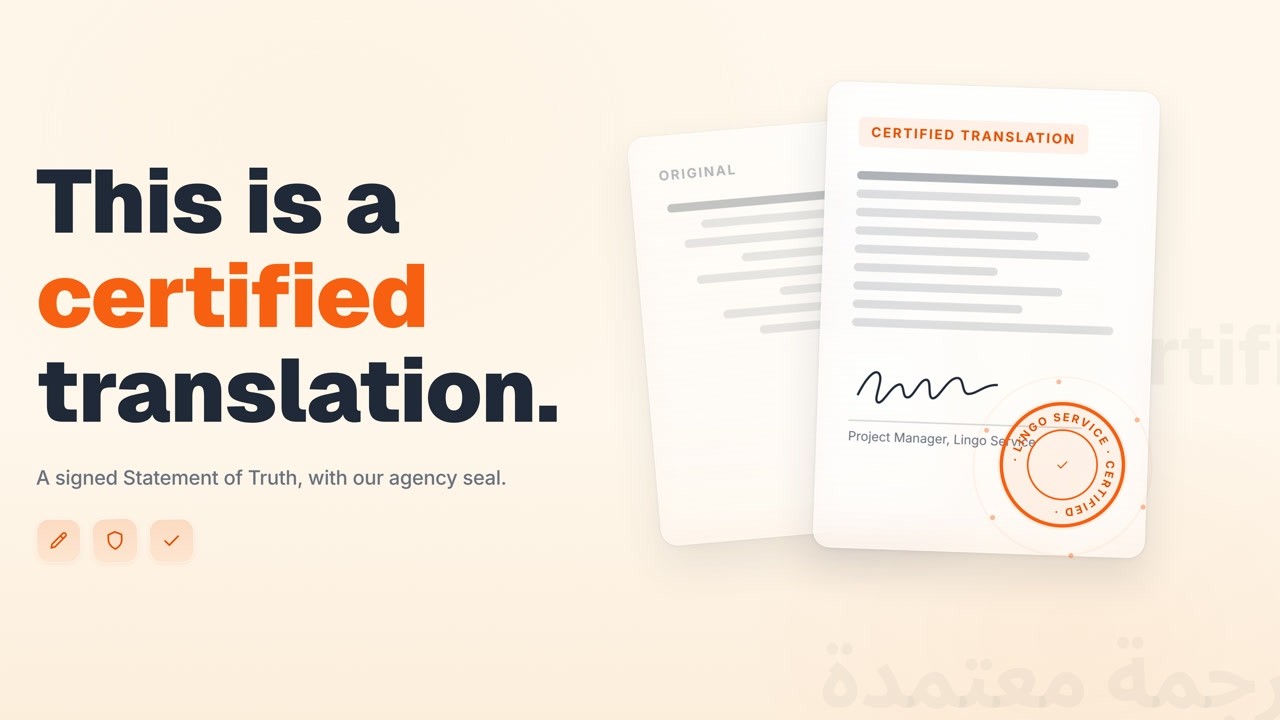
- Certification statement, The translation must include a signed statement confirming it is accurate and complete, with the translator's credentials
- Translator details, The translator's name, signature, contact information, and the date of translation must be clearly shown
- Professional letterhead, Translations should be on company letterhead with full business contact details for verification
UKVI-specific requirements:
For immigration applications, UKVI requires that translations confirm the translator's credentials and that the translation is accurate. They do not require sworn or notarised translations for most visa categories, certified translation from a professional service like ours is sufficient. However, some embassies or specific visa routes may have additional requirements, which we can advise on.
Birth Certificate Formats and Translation Challenges
Birth certificates vary significantly between countries, and our translators are experienced with formats from across the world. Understanding these variations ensures accurate translation.
Regional format variations:
- European birth certificates, EU countries issue multilingual extracts and full-form certificates. Polish "Akt Urodzenia", Romanian "Certificat de Naștere", and Spanish "Certificado de Nacimiento" each have distinct formats
- Middle Eastern certificates, Arabic birth certificates from countries like Egypt, Saudi Arabia, and UAE are often bilingual (Arabic/English) but still require certified translation of the Arabic sections
- South Asian certificates, Indian, Pakistani, and Bangladeshi birth certificates may be in English, Hindi, Urdu, or regional languages. Older certificates are often handwritten
- African certificates, Formats vary widely. Nigerian certificates differ from South African, Ghanaian, or Kenyan formats. Some countries issue certificates in multiple languages
- East Asian certificates, Chinese, Japanese, and Korean birth certificates use non-Latin scripts and different date formats. Chinese certificates include family register (hukou) information
Common translation challenges:
- Handwritten certificates, Older birth certificates are often handwritten. We translate these if legible, noting any unclear sections
- Name transliteration, Names must be transliterated consistently with how they appear on your passport or other UK documents
- Date formats, Different calendars (Hijri, Buddhist, Chinese) are converted to Gregorian dates with the original format noted
- Amendments and corrections, Marginal notes showing name changes, legitimation, or corrections must be translated
Our translators handle birth certificates from every country, ensuring UK authorities receive clear, accurate translations that meet all requirements.